
Introduction
Hook: Why Local SEO is Critical for Small Businesses Today
Local SEO for small businesses is now essential; it’s what makes the difference between being found and being ignored.
Imagine a customer standing just two blocks from your store, phone in hand, urgently searching for the exact service you offer. If your business does not show up in the top results, that customer and potential revenue go straight to your competitors. This happens millions of times every day. For small businesses, especially those targeting a specific area like Cleveland, gaining visibility in these critical local searches isn’t just an advantage; it’s essential for survival.
Pain Point: Small Businesses Lose Customers Without Local Visibility
The days of relying only on foot traffic and print advertising are gone. Without effective local SEO strategies for small businesses, your operation becomes invisible to today’s consumers. You’re losing high-intent customers who are ready to buy or book services right now. Not optimizing your local presence allows national chains and more tech-savvy competitors to take your market share, leading to stagnation and missed opportunities.
Promise:
The good news is that local SEO is highly actionable and offers a substantial return on investment. In this definitive guide, we’ll cover 10 proven, actionable strategies designed to significantly boost your local search rankings, attract foot traffic, and generate leads. Plus, we’ll provide a downloadable SEO checklist for local small business success.
What Is Local SEO and Why Does It Matter
Define Local SEO in Simple Terms
Local SEO is a specialized form of search engine optimization that aims to increase your business’s visibility in local search results. This strategy targets customers who are physically near your location or searching for services within your area (e.g., “coffee shop near me” or “plumber in Cleveland”).
Unlike national SEO, which targets global visibility, Local SEO for small businesses concentrates on ranking in the Google Local Pack (the map section at the top of search results) and the Local Finder.
Benefits for Small Businesses
Mastering local SEO strategies for small businesses directly translates into measurable business growth. Here are the key benefits:
- More Google Maps Visibility:When a customer searches for a service you offer, effective local SEO ensures your business pin appears prominently on Google Maps and in the Local Pack. This prime placement puts you ahead of competitors who depend only on organic search.
- Increased Website Traffic: A higher ranking in local search often includes a direct link to your website, driving highly qualified users who are ready to engage with your business.
- Higher Foot Traffic and Leads: Local searchers are high-intent searchers.3 By optimizing your local presence, you directly increase phone calls, appointment bookings, and physical visits to your store or office.4 This is the ultimate goal of how to improve local SEO for small business.
Crucial Statistic
According to Google, 76% of people who search for something nearby on their smartphone visit a related business within a day, and 28% of those searches result in a purchase.5 This highlights why having a strong local SEO checklist for small businesses is not optional; it’s essential for generating immediate revenue.
10 Proven Local SEO Strategies for Small Businesses
To fully leverage the benefits of local search and learn ‘how to improve local SEO for small business,’ you need a focused, step-by-step approach. These ‘local SEO strategies for small businesses’ form a robust ‘SEO checklist for local small business’ success.
01. Optimize Your Google Business Profile (GBP)
If you want fast, measurable results from ‘local SEO for small business’, optimizing your Google Business Profile(GBP) should be your first move.
Google Business Profile is essential for local visibility. When someone searches for a nearby service, Google uses data from GBP listings to show results on Google Maps and the local search pack. A fully optimized profile significantly boosts your chances of appearing, receiving calls, and attracting walk-in customers.
This is why GBP optimization is one of the most effective ‘local SEO strategies for small businesses’, regardless of industry or location.
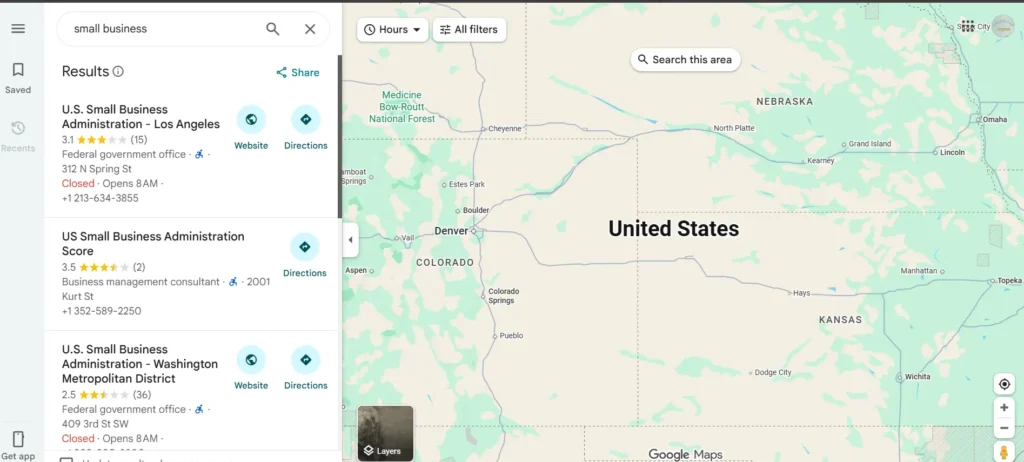
Claim & Verify Your Google Business Profile
Begin by claiming your business with Google Business Profile, Google’s free tool for managing local listings. Verification confirms that your business is real and eligible to appear in local search results.
Without verification, your business will have a hard time ranking, even if your website is well optimized. This step is essential for any ‘local SEO checklist for small business’.
Tool to use:
- Google Business Profile: Free and essential for claiming, verifying, and managing your listing
Add Accurate Business Information, Photos, and Hours
Once verified, complete every section of your profile with accurate and consistent information:
- Business name, address, and phone number (NAP)
- Website URL
- Business hours (including holidays)
- Service areas
NAP consistency across the web is critical. Inconsistent detailsconfuse search engines and reduce trust. This is where automation tools help.
Tools to use:
- Moz Local – Checks and maintains NAP consistency across directories
- BrightLocal – Monitors listing accuracy and local rankings
Adding high-quality photos also increases engagement. Businesses with updated photos receive more clicks, calls, and directions than those without visuals.
Choose the Right Categories and Services
Selecting the correct primary and secondary categories helps Google understand what your business offers and when to show your listing.
Add all relevant services and write short, clear descriptions using natural keywords. This boosts your chances of appearing in searches related to your services, especially for highly competitive local queries.
For businesses targeting specific locations, such as ‘local SEO for small business Cleveland’, category accuracy is even more critical for matching local search intent.
Track Performance and Manage Reviews
An optimized GBP doesn’t end with setup; you need ongoing tracking and review management.
Reviewsare a strong local ranking factor and influence buyer decisions. Responding to reviews signals trust and activity to Google.
Tool to use:
- BrightLocal – Tracks Google Business Profile performance, reviews, and local SEO progress
This ongoing optimization makes it much easier to ‘improve local SEO for small business’ results over time and stay ahead of competitors.
2. On-Page SEO Optimization
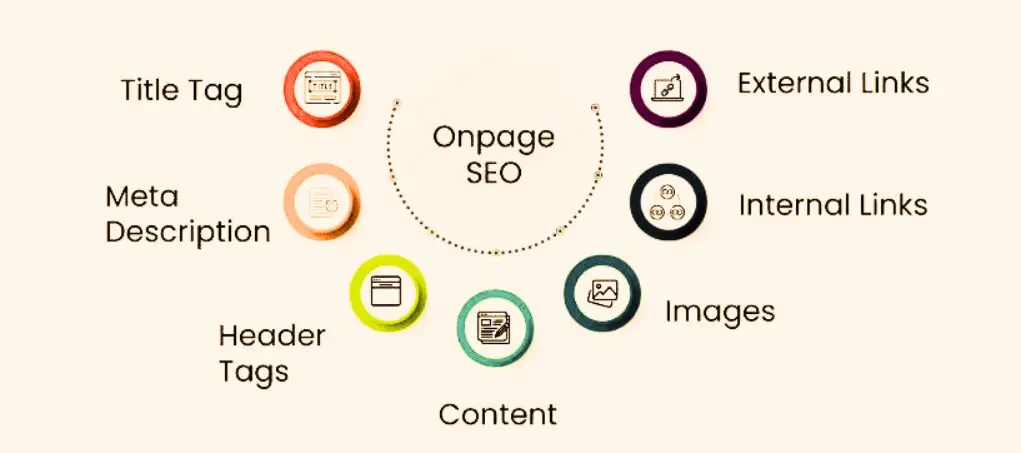
Once your Google Business Profile (GBP) is perfect, the next step in your SEO checklist for local small businesses is to align your website with your local presence. This process, often called on-page optimization, ensures that Google understands your website’s geographical relevance and expertise in your area, such as Cleveland.
For local SEO for small business, on-page SEO connects your website to local intent—helping you rank for location-based searches and attract ready-to-buy visitors.
Optimize Title Tags and Meta Descriptions
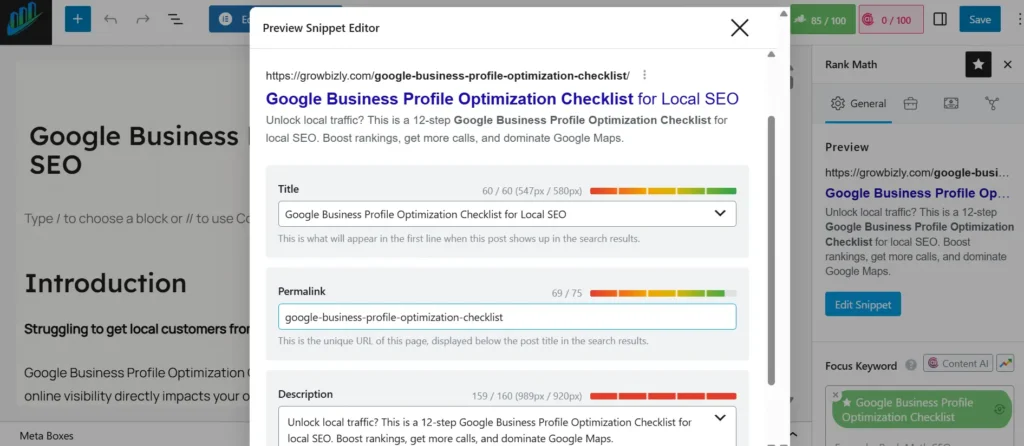
Your title tag and meta description are often the first things users see in Google search results. They should clearly convey what you offer and include local intent.
For example, including a city name or service area enhances visibility in local searches. This is particularly effective for businesses targeting specific locations, such as local SEO for small businesses in Cleveland.
Tools to use:
- Yoast SEO / RankMath – Easily optimize title tags, meta descriptions, schema, and readability inside WordPress
Use Local Keywords Naturally in Your Content
Your website content should clearly mention:
- Your services
- Your location
- The areas you serve
Use local keywords naturally across your pages, especially in headings, paragraphs, and image ALT text. Avoid keyword stuffing; prioritize clarity and relevance instead.
This is one of the most reliable ways to improve local SEO for small businesses and helps Google connect your site to local search intent.
Tools to use:
- SurferSEO – Optimize your content based on top-ranking competitors and keyword usage
Add Schema Markup for Local SEO
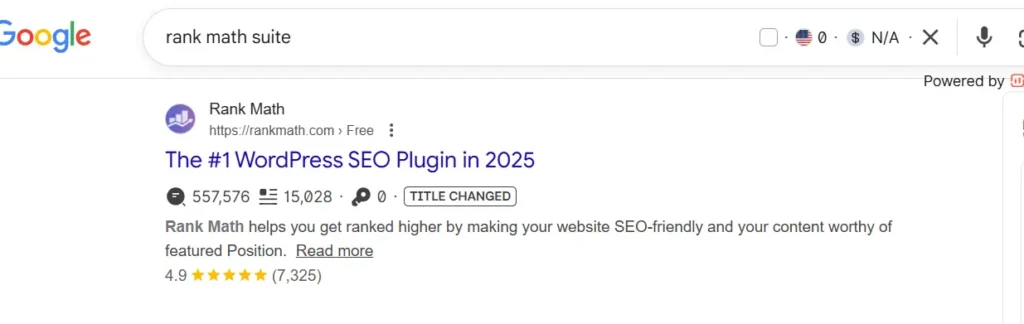
Schema markup provides structured data that helps search engines understand your business details, including:
- Business type
- Address and phone number
- Opening hours
- Reviews and ratings
Adding the Local Business schema can improve your chances of getting better search results and higher click-through rates.
Tools to use:
- Yoast SEO / RankMath – Automatically add Local Business schema
- Screaming Frog – Audit schema implementation and identify errors
Audit and Fix On-Page SEO Issues
Technical issues like missing meta tags, broken links, or duplicate content can weaken your on-page SEO.
Regular audits help ensure your pages adhere to best practices and support your overall local SEO strategies for small businesses.
Tool to use:
- Screaming Frog – Crawl your website to find on-page SEO errors quickly
Optimizing on-page SEO ensures your website supports your Google Business Profile and strengthens every item in your SEO checklist for local small business.
3. Local Keyword Research
Local keyword research is the foundation of every successful local SEO for small businesses. If you target the wrong keywords, even perfect optimization won’t generate leads.
The goal is simple: find search terms your local customers actually use when they are ready to buy, not just generic keywords with high volume.
This is among the most effective local SEO strategies for small businesses because it helps you compete locally rather than challenge national brands.
Use City + Service Keyword Combinations.
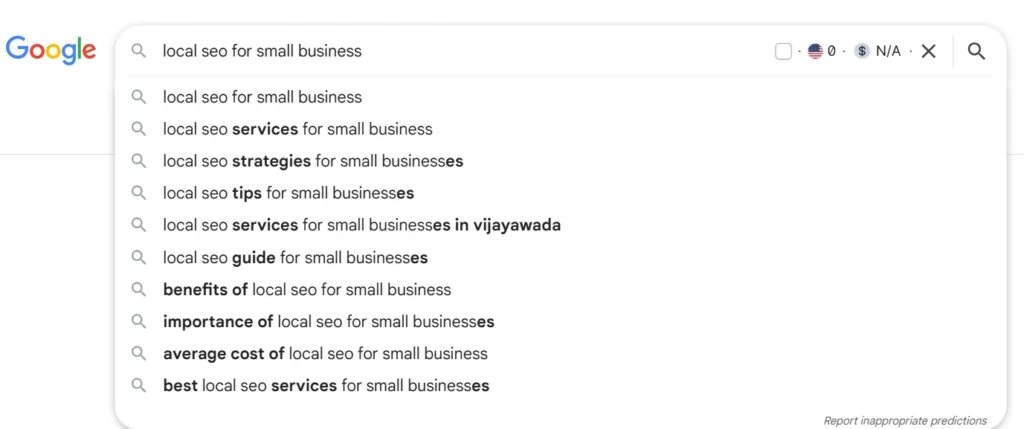
Local searches almost always include a location, so combining your service with your city is essential.
Examples:
- “plumber in Cleveland.”
- “local seo for small business, Cleveland.”
- “dentist near downtown Cleveland.”
These keywords show strong buying intent and are easier to rank for than broad terms.
Create dedicated pages or optimize existing service pages around these combinations to draw highly targeted local traffic.
Target Long-Tail Local Keyword Variations
Long-tail keywords are longer, more specific phrases that may have lower search volume—but much higher conversion rates.
Examples:
- “affordable local seo for small business.”
- “How to improve local seo for small businesses.”
- “best local marketing services for small companies.”
These terms often face less competition and are ideal for blog content, FAQs, and service descriptions. Over time, they help your website rank for multiple variations and build topical authority.
Why This Matters for Small Businesses
Local keyword research ensures:
- Your content matches real customer searches
- Your website attracts ready-to-convert visitors
- Your pages support your SEO checklist for local small business
When done correctly, keyword research makes every other optimization step more effective and reduces wasted effort.
4. NAP Consistency Across Directories
NAP consistency of Name, Address, and Phone number is one of the most overlooked yet critical elements of local SEO for small businesses.
Google uses NAP data to verify that your business is honest and trustworthy. If your business details appear differently across the web, search engines get confused, and confused search engines don’t rank enterprises well.
This is why NAP consistency is a core part of effective local SEO strategies for small businesses and a must-have item in every SEO checklist for local small businesses.
What Is NAP and Why Does It Matter
NAP stands for:
- Name – Your official business name
- Address – Your physical or service-area address
- Phone – A single, consistent contact number
Even minor differences like “St.” vs. “Street” or various phone formats can weaken your local rankings.
Consistent NAP information helps Google:
- Trust your business data
- Connect your website to your Google Business Profile
- Improve visibility in Google Maps and local search results
List Your Business on Important Local Directories
Your business should be listed on authoritative directories where Google expects to find accurate data.
Key directories every small business should prioritize:
- Google Business Profile
- Yelp
- Bing Places
- Apple Maps
- Facebook Business Page
- Local chamber of commerce websites
These directories serve as trust signals and enhance your local visibility, especially for location-based searches, such as local SEO for small businesses in Cleveland.
Keep Everything 100% Consistent.
Once listed, ensure your NAP details match exactly across:
- Your website
- Google Business Profile
- All local and industry directories
Inconsistent information can lead to:
- Lower local rankings
- Missed calls and lost customers
- Reduced trust from search engines
Consistency builds authority and directly helps you improve local SEO for a small business over time.
5. Collect and Respond to Reviews
Online reviews serve as the digital equivalent of word-of-mouth marketing and are crucial for local SEO for small businesses. Google specifically considers review quantity, quality, and recency when determining rankings. A profile with hundreds of positive reviews will naturally appear more prominent and trustworthy than one with only a few, even if both businesses are in Cleveland.
Ask Customers for Reviews (The Right Way)
Never depend on customers to remember. Create a proactive, organized process to gather reviews after a successful interaction. Timing is crucial: ask right after a purchase or service is completed, when the positive experience is still fresh.
- Tip: Always provide a direct link to your Google Business Profile review page to make the process frictionless for the customer. 77% of customers will leave a review if asked.
- Podium (Paid): A robust platform that specializes in automating review collection, primarily via SMS text messages, which results in very high response rates.
Respond to All Reviews (Positive & Negative)
Responding signals to both potential customers and search engines that you are engaged and attentive.
- Positive Reviews: A simple, personalized “thank you” goes a long way. Mention the service or product they loved to reinforce those keywords.
- Negative Reviews: This is an opportunity to showcase excellent customer service. Respond professionally, apologize for the issue (without admitting legal fault), and immediately offer to move the conversation offline to resolve the complaint privately. Consumers are 88% more likely to choose a business that replies to all reviews.
- BirdEye (Paid): An all-in-one reputation management suite that monitors and allows you to respond to reviews across dozens of sites from a single dashboard.
- Grade.us (Paid): Helps streamline the review process by acting as a ‘review funnel,’ directing happy customers to public sites (like Google) and filtering unhappy customers to a private feedback form. This is a great way to safeguard your overall star rating and improve local SEO for a small business’s reputation.
6. Local Link Building
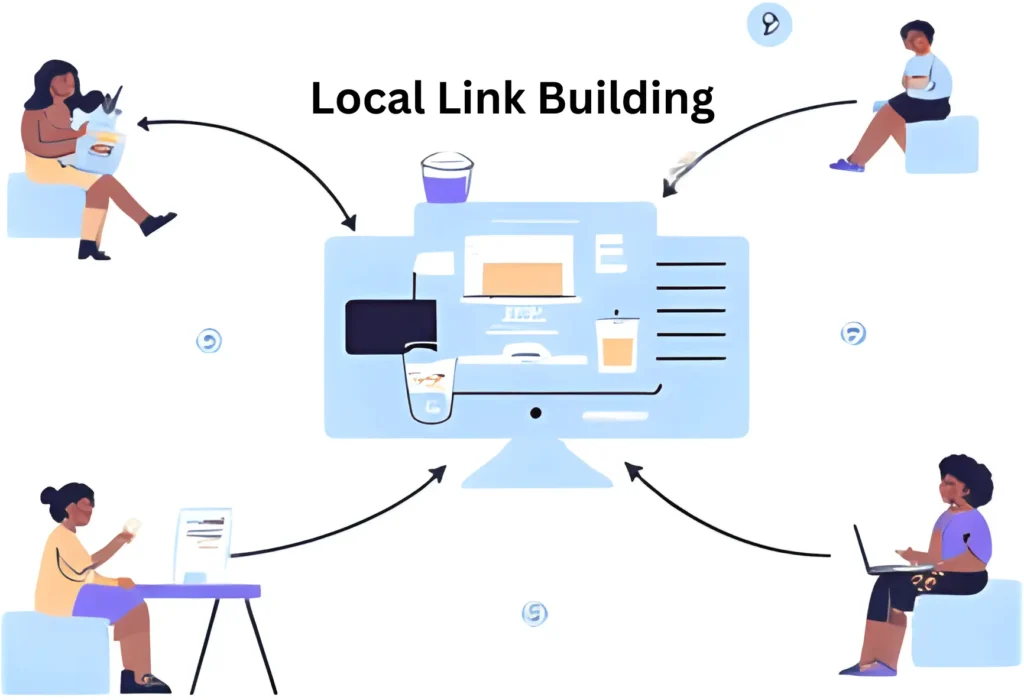
Building high-quality local backlinks is a key element of local SEO for small businesses. Links serve as votes of trust in Google’s eyes, indicating that your business is reputable and relevant in your local area.
Even with a fully optimized Google Business Profile and on-page SEO, a lack of local backlinks can limit your visibility in search results. This is why local link building should be included in every SEO checklist for local small business.
Local Partnerships and Sponsorships
Partner with other local businesses, organizations, or events. Sponsorships, collaborations, or co-hosted events often lead to backlinks from regional websites.
Examples:
- Sponsor a local sports team and get a link on their website
- Partner with a nearby charity and appear on their “supporters” page
Tools to use:
- Ahrefs – Find local sites that link to competitors or relevant local content
- BuzzSumo – Discover popular local content you can collaborate on
These tools help identify high-quality, relevant opportunities likely to improve your local search rankings.
Guest Posts on Local Blogs
Writing guest posts for local blogs or news sites can create backlinks and boost traffic. Focus on content that provides value while naturally linking back to your website.
Tools to use:
- Hunter.io – Find outreach emails for local bloggers and editors
- Ahrefs / BuzzSumo – Identify active local blogs in your niche
Guest posting is effective not only for earning links but also for increasing brand awareness within your community, helping you attract more leads from local customers.
Why Local Link Building Matters
- Strengthens your local authority in Google’s eyes
- Supports rankings for city-specific searches like “local SEO for small business in Cleveland.”
- Increases referral traffic from local websites
- Supports other strategies like GBP optimization and on-page SEO
Even a handful of high-quality local backlinks can significantly improve your rankings, especially for competitive local searches.
7. Create Local Content
Creating local content is one of the most effective ways to demonstrate to Google and your customers that your business is active, relevant, and connected to your community. For local SEO for small businesses, content tailored to your city or neighborhood increases your chances of ranking in local searches and attracts highly targeted traffic.
This strategy is also essential for your SEO checklist for local small businesses. The SEO checklist helps ensure you consistently provide fresh, relevant content to support your Google Business Profile and on-page SEO efforts.
Blog Posts and City Pages
Writing blog posts about local topics or creating dedicated city/area pages helps your business rank for location-based searches.
Examples:
- “Top 5 Tips for Local SEO for Small Business in Cleveland.”
- “How to Choose a Reliable Plumber in Downtown Cleveland.”
These pages focus on long-tail local keywords and can be optimized for Google Maps and local search intent.
Event Announcements and Community News
Publishing content about local events, sponsorships, or community initiatives positions your business as engaged and authoritative in your area.
Examples:
- “Join Us at the Cleveland Small Business Expo 2025.”
- “Our Annual Charity Drive Supporting Local Schools.”
Event-based content often gets shared, linked, and cited by local publications—boosting both traffic and local SEO.
Why Local Content Matters
- Supports local keyword targeting like “local SEO for small business in Cleveland.”
- Increases organic traffic from nearby customers
- Boosts authority and trust signals to Google
- Provides material for link building and social media sharing
Regularly creating local content is a sustainable, long-term strategy that compounds results over time.
8. Mobile Optimization
For any small business, having a fast, functional mobile website is no longer optional; it is essential for local SEO. Over 90% of local searches occur on smartphones, and Google primarily uses the mobile version of your site for indexing and ranking (known as Mobile-First Indexing). If your mobile site is slow or broken, it can significantly reduce your overall search visibility and conversion rates, even within your local market, such as Cleveland.
Action Steps for Mobile Optimization:
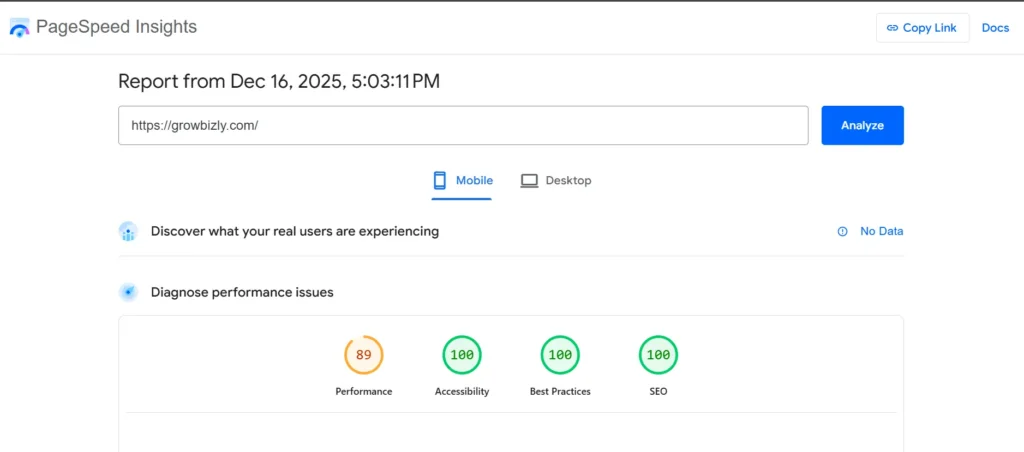
Fast Mobile Load Times (Core Web Vitals)
Mobile users expect pages to load in under three seconds.5 Slow sites increase “bounce rates” (users leaving immediately), which Google interprets as a poor user experience. You must optimize for Google’s Core Web Vitals (LCP, INP, and CLS) to ensure fast loading, excellent responsiveness, and visual stability.
- Tip: Focus on compressing large images, minimizing unnecessary code, and improving server response time.
Responsive Design and Usability
Your website must automatically and seamlessly adapt its layout, images, and text to fit any screen size. This means:
- The font is large and legible.
- Links and buttons are large enough and spaced far enough apart to be easily tapped with a thumb (at least 11$44 \times 44$ pixels).
- Navigation menus are streamlined and intuitive for a mobile user.
Making your site highly mobile-friendly is essential to improving local SEO for small businesses.
9. Track Local SEO Performance
Optimizing your website and Google Business Profile is just part of the journey. To truly enhance your local SEO for small businesses, you need to track performance continuously. This ensures your efforts lead to measurable results and allows you to adjust strategies that aren’t performing as expected.
Tracking is essential for competitive markets like Cleveland, where small businesses must stay ahead in local search results. This step is a key part of any SEO checklist for local small business.
Use Google Analytics 4 and Google Search Console
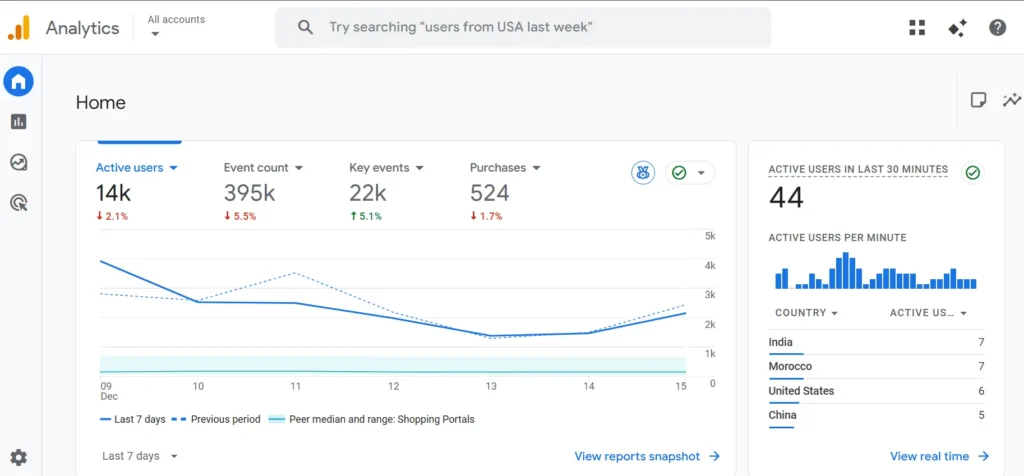
These free tools allow you to monitor:
- Website traffic from local searches
- Conversion actions such as calls, directions requests, and contact form submissions
- Which pages bring the most local traffic
Tools to use:
- Google Analytics 4 – Tracks website traffic, conversions, and user behavior
- Google Search Console – Monitors local search performance, impressions, clicks, and keyword positions
Regular monitoring helps you see which pages and keywords are performing and which need optimization.
Track Rankings, Clicks, and Conversions
Beyond traffic, you want to monitor keyword rankings, clicks, and conversions specifically for your local market. This data allows you to:
- Identify high-performing keywords like “local SEO for small business Cleveland.”
- Adjust content, meta tags, and Google Business Profile info
- Track ROI for local SEO campaigns
Tools to use:
- SEMrush – Track local keyword rankings and competitor performance
- BrightLocal / Whitespark – Monitor local pack rankings and GBP performance
By combining these tools, you get a complete picture of your local SEO effectiveness and can make data-driven decisions to improve rankings and leads.
Why Tracking Matters
- Ensures you invest time and resources wisely
- Identifies growth opportunities in specific neighborhoods or services
- Measures ROI of local SEO strategies
- Helps refine your ongoing SEO checklist for local small business
Tracking lets you see which strategies work and double down on them while adjusting weaker areas, critical for sustainable growth.
10. Leverage Social Media for Local SEO

Social media isn’t just for branding; it can directly boost local SEO for small businesses by increasing visibility, engagement, and referral traffic. Sharing local content and actively engaging with your community helps search engines recognize your business as relevant and authoritative in your area.
This strategy also complements your SEO checklist for local small businesses and ensures your content reaches local customers where they spend time online.
Share Local Content
Post your city-specific blog posts, event announcements, and service pages on social media platforms like Facebook, Instagram, LinkedIn, or Twitter.
Examples:
- Share “Top 5 Tips for Local SEO for Small Business in Cleveland” on your Facebook business page
- Post updates about sponsorships, local partnerships, or events
This increases content visibility, drives traffic to your website, and can generate backlinks from local shares, boosting local search rankings.
Engage with Community Pages
Interact with local groups, forums, and community pages to build relationships and increase brand awareness.
Examples:
- Comment on local business forums or Facebook groups
- Join neighborhood pages and participate in discussions related to your services
Engagement signals community relevance and activity, indirectly emphasizing the importance of local SEO for small businesses. Active participation also boosts the chances of referrals and organic online mentions.
Why Social Media Matters for Local SEO
- Drives traffic to your website from local audiences
- Boosts brand awareness in your community
- Helps your local content get shared, linked, and cited
- Signals relevance and engagement to Google
Integrating social media into your local SEO strategy ensures a consistent presence across search engines and social platforms, strengthening overall visibility.
4. Bonus: Downloadable Local SEO Checklist
You now have a complete set of 10 proven local SEO strategies for small businesses. However, turning these strategies into daily, weekly, and monthly actions can be overwhelming. To make the process easier and help you avoid missing any crucial steps, we’ve put together a quick-reference, printable, and editable SEO checklist for local small business success.
This checklist is the ultimate takeaway for any business owner asking how to improve local SEO for small business.
Get Your Free Local SEO Action Plan!
5. Common Local SEO Mistakes Small Businesses Make
Even with good intentions, small businesses often make mistakes that hurt their local SEO for small business performance. Recognizing and avoiding these errors is essential for gaining higher rankings, increased traffic, and better customer engagement.
1. Duplicate Listings
Having multiple Google Business Profile listings or inconsistent NAP information confuses search engines. This can lead to lower rankings and even penalties.
Tip: Audit your listings regularly to ensure only one verified, consistent profile exists across all platforms.
2. Ignoring Reviews
Many businesses fail to ask for reviews or respond to them. Reviews influence both Google rankings and customer trust.
Tip: Collect reviews consistently and respond to both positive and negative feedback using tools like Podium, BirdEye, or Grade.us.
3. No Mobile Optimization
A slow or unresponsive website deters visitors and harms your rankings, especially for mobile-first searches.
Tip: Use Google PageSpeed Insights, GTMetrix, and Mobile-Friendly Test to ensure a fast, responsive design.
4. Not Updating Google Business Profile Regularly
Businesses that leave their GBP outdated hours, services, and photos miss opportunities to rank higher and engage users.
Tip: Update photos, services, hours, and posts at least monthly to signal activity and relevance.
Why Knowing These Mistakes Matters
Avoiding these errors ensures your small business:
- Ranks higher for local SEO for small business Cleveland searches
- Converts more website visitors into leads
- Improves reputation and trust online
- Supports all other strategies in your SEO checklist for local small business
7. Conclusion
Local SEO is now a must for small businesses; it’s crucial. By applying the 10 proven strategies detailed in this guide, you can:
- Optimize your Google Business Profile and website for maximum visibility
- Target the right local keywords to attract ready-to-buy customers
- Build authority with links, content, and reviews
- Track performance and continuously improve your results
These strategies work together to help your business rank higher, generate more leads, and dominate local searches even in competitive markets like Cleveland.
FAQs
1. What is local SEO for small business?
Local SEO for small businesses is the process of optimizing your online presence to appear in location-based search results, especially on Google Maps and in local search queries. This helps small businesses attract nearby customers who are actively searching for their products or services.
2. Why is local SEO important for small businesses?
Local SEO boosts your business’s visibility in your community. It attracts more foot traffic, calls, and online leads by ensuring your business shows up in Google Maps, local search results, and directory listings.
3. How can I improve local SEO for small business?
You can improve local SEO by:
01. Optimizing your Google Business Profile
02. Performing local keyword research
03. Building consistent NAP citations
04. Collecting and responding to reviews
05. Creating local content and building local backlinks
4. How much does local SEO for small business cost?
The cost varies based on whether you do it yourself or hire an agency. Small businesses might spend a few hundred dollars a month on tools, content, and occasional ads. At the same time, agencies usually charge between $500 and $2,000 monthly, depending on the services offered and market competition.
5. Can local SEO help my small business in Cleveland?
Yes! Local SEO helps your business show up in Cleveland-specific searches, like local SEO for small business Cleveland. Optimizing for your city boosts visibility to nearby customers and attracts more leads from your target area.