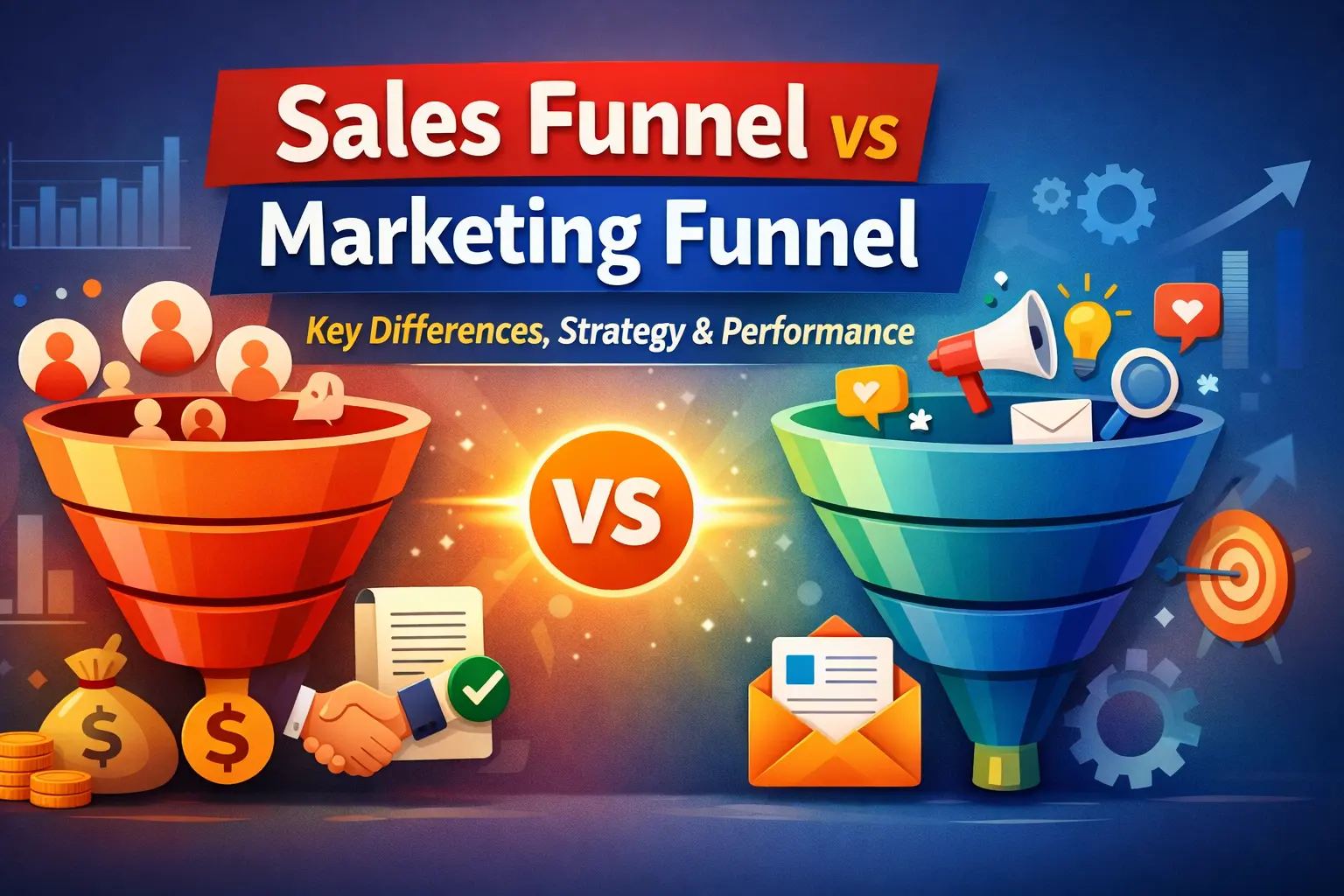

Your marketing team is celebrating a surge in website traffic, while your sales team is frustrated by the quality of leads. Sound familiar? This common, costly disconnect often stems from a fundamental misunderstanding: treating sales funnel vs marketing funnel as the same thing. They’re not. Confusing them leads to misaligned goals, wasted budget, and stalled revenue. In today’s complex buyer journey, understanding the distinct roles, stages, and handoffs between these two engines is what separates hoping for growth from engineering it predictably.
This deep dive goes beyond vague definitions. You’ll get a clear side-by-side comparison, realistic examples for different business models, and actionable strategies to align marketing and sales funnels and build a seamless, measurable revenue machine.
Introduction to Funnels as a Growth Engine
A funnel isn’t just a buzzword; it’s a visual model for understanding how potential customers move from first contact to final purchase. Think of it as a blueprint for your growth engine. When marketing and sales funnels are aligned, they create a predictable path to revenue. When they’re disconnected, you leak prospects, money, and opportunities at every stage.
Why Funnels Matter More Than Ever
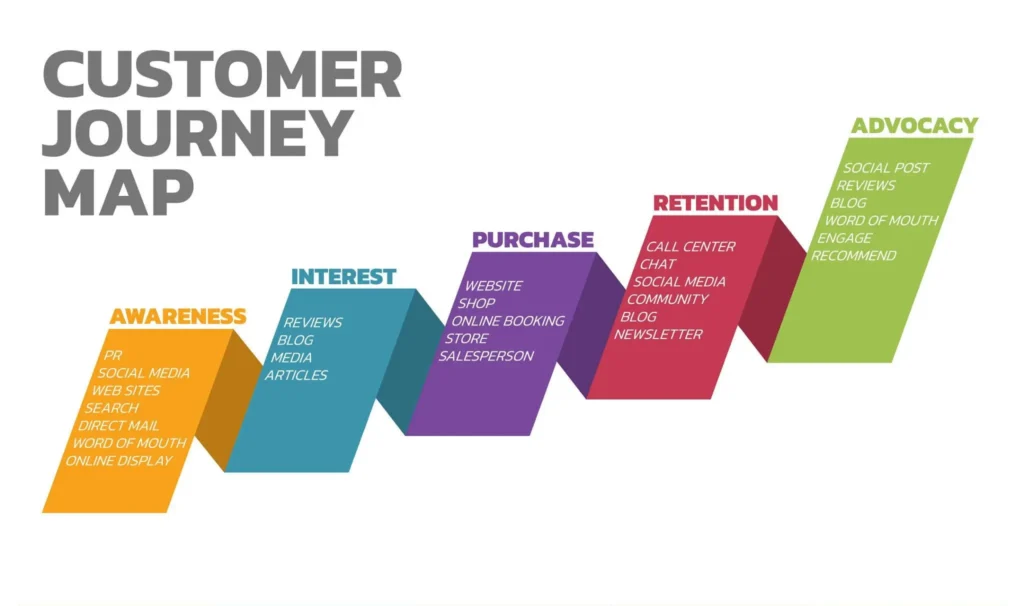
The modern buyer’s journey is nonlinear and information-rich. A prospect might discover your brand through a blog post (marketing), sign up for a webinar (marketing), then ghost your emails for three months before suddenly requesting a demo (sales). Funnels help you map this chaos, providing structure to nurture and guide the buyer.
Buyer journey complexity shows up in small ways that cause considerable damage:
- Prospects compare options across tabs and devices.
- Decision-making involves multiple people (especially in B2B).
- Trust is built across repeated touches, not one interaction.
In an era of data-driven decision-making, funnels transform intuition into insight. You stop guessing what works and start knowing which pages drive qualified leads, which lead magnets attract the right buyers, and which messages reduce hesitation.
Funnels as a Predictable Growth Engine
A funnel mindset forces you to see the journey from traffic to revenue as a single, interconnected process. It answers questions like:
- How many visitors do we need to hit a revenue target?
- What lead-to-customer rate is realistic?
- Where do people drop off, and why?
This is where aligning the marketing funnel vs sales funnels becomes a growth advantage. When marketing and sales operate as one revenue team, they stop arguing about “lead quality” and start improving the system:
- Marketing improves targeting, messaging, and qualification.
- Sales improves follow-up speed, discovery quality, and the closing process.
- Leadership gets predictable forecasting instead of surprises.
What Is a Marketing Funnel?
Definition of a Marketing Funnel
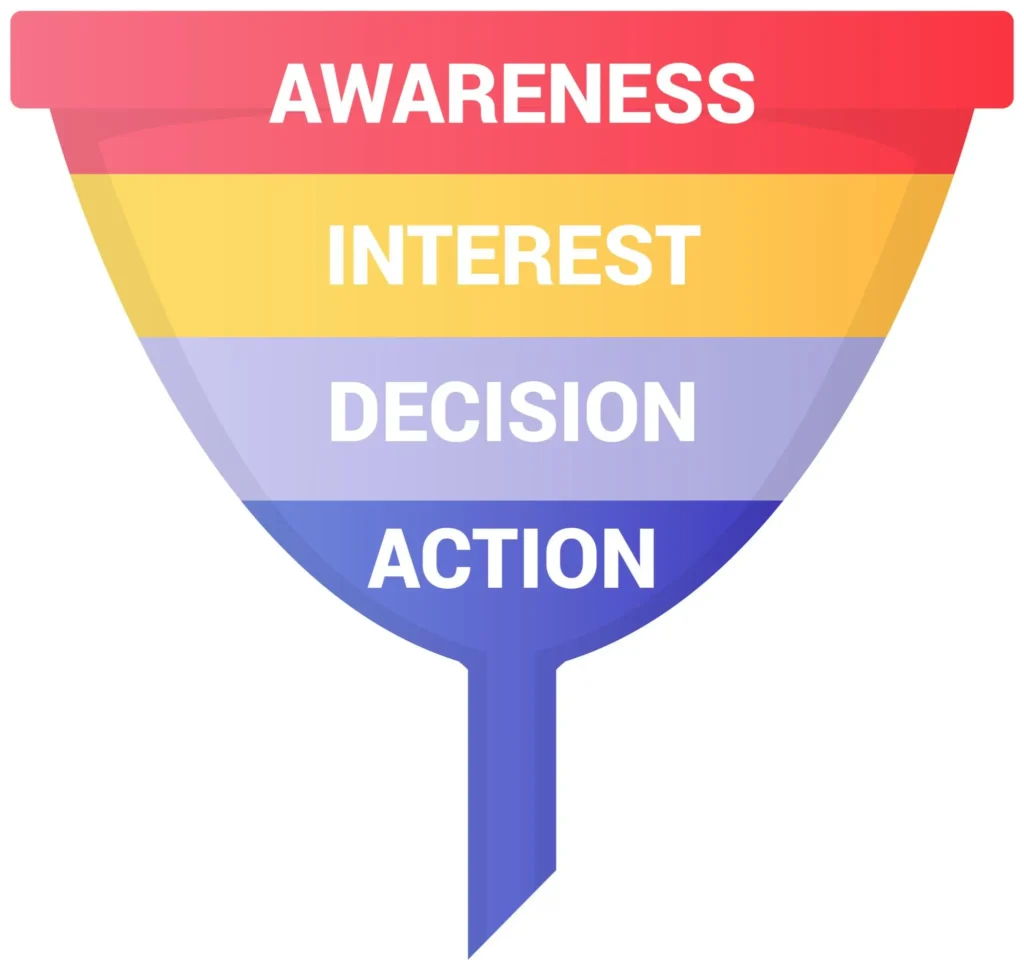
A marketing funnel is a systematic process that guides a broad audience of potential customers through stages of awareness and consideration, culminating in a “lead action” (such as subscribing, requesting information, or booking a call). It’s primarily one-to-many communication: content, ads, email campaigns, and web experiences.
Core Purpose of the Marketing Funnel
The marketing funnel exists to create and prepare demand:
- Awareness: Make your brand visible to the right people.
- Lead generation: Capture contact information by offering value.
- Trust building: Educate prospects so your brand feels credible and safe.
A practical way to think about it: marketing reduces uncertainty. It answers the question, “Who are you?” “Can you help?” and “Why should I trust you?” long before sales ask for a commitment.
For example, imagine a service business owner searching for “how to fix low conversion rates.” They read a blog post, download a checklist, and receive a short email series explaining common conversion mistakes. That’s marketing, building trust, and moving them closer to a sales conversation.
Typical Marketing Funnel Stages
Awareness
This is the widest point at which people discover you.
Common tactics:
- SEO blog content.
- Social media posts.
- Short videos.
- Podcasts.
- Paid ads designed for reach.
Realistic example: A SaaS company publishes a guide on “How to Automate HR Onboarding.” A small business owner finds it through Google and learns about the company for the first time.
Interest
Now the prospect is actively exploring solutions and engaging with deeper content.
Common tactics:
- Webinars.
- Email newsletters.
- Comparison articles.
- Case-study style content (without heavy selling).
Example: The same visitor signs up for a webinar on “The Top 5 HR Automation Mistakes.” They’re not buying yet, but they’re paying attention.
Consideration
The prospect is evaluating options, including competitors, and looking for evidence.
Common tactics:
- Product pages.
- Feature breakdowns.
- FAQs.
- Free tools, assessments, calculators.
Example: The visitor completes an “HR Process Audit” quiz that requires an email to see results. Their intent is higher now.
Lead Conversion
The prospect takes a deliberate action that turns them into a lead.
Common tactics:
- Demo requests.
- Trial sign-ups.
- “Book a call.”
- High-intent gated resources (templates, checklists).
Example: They download a vendor comparison checklist or request a demo. This is the handoff area between marketing vs sales funnel responsibilities.
What Is a Sales Funnel?
Definition of a Sales Funnel
A sales funnel is a structured process a sales team (or business owner) uses to guide qualified leads through a decision-making journey, aiming to close a deal and generate revenue. Sales is primarily one-to-one and consultative.
Core Purpose of the Sales Funnel
Sales funnels exist to:
- Drive conversions: Move leads to purchase.
- Increase deal velocity: Reduce delays and stalls.
- Improve revenue predictability: Create forecasting accuracy.
The difference between sales funnel vs marketing funnel is vital because sales is not tasked with educating all prospects from the beginning. Instead, sales focuses on helping a qualified prospect make a confident decision.
Typical Sales Funnel Stages
Lead Qualification
This is the checkpoint. Sales determines whether a lead is a fit and ready.
What qualifications typically cover:
- Need (do they have the problem?).
- Fit (is your solution appropriate?).
- Urgency (is there a timeline?).
- Authority (can they decide?).
- Budget (can they pay?).
Example: A lead requests a demo. The sales rep asks about the company’s size, current process, and decision-making stakeholders. If the lead is a student doing research, they’re filtered out. If they’re a buyer with a real timeline, they move forward.
Proposal & Negotiation
Now the prospect is evaluating your offer specifically.
Common actions:
- Product demos.
- Proposal creation.
- Pricing discussion.
- Handling objections and constraints.
Example: A service provider sends a scope-based proposal and walks through deliverables on a call. The prospect negotiates the timeline and payment terms.
Closing
The prospect becomes a customer.
Common actions:
- Contract signing.
- Payment setup.
- Implementation kickoff and onboarding handoff.
Example: The buyer signs and pays the deposit. The sales rep introduces customer success or schedules onboarding.
Sales Funnel vs Marketing Funnel (Side-by-Side Comparison)
Core Differences at a Glance
The easiest way to avoid confusion is to separate purpose, ownership, stages, metrics, and tools:
- Purpose: Marketing creates demand. Sales convert demand into revenue.
- Audience stage: Marketing serves cold-to-warm prospects. Sales serves qualified, high-intent prospects.
- Ownership: Marketing owns the early journey. Sales owns the decision journey.
- Metrics: Marketing measures attention and conversion into leads. Sales measures conversion into revenue.
- Tools: Marketing uses acquisition and nurturing tools; sales uses pipeline and closing tools.
This is why “more traffic” is not always good news. If traffic doesn’t convert into qualified leads, the funnel is misaligned, and sales vs marketing funnel accountability gets blurry.
Marketing Funnel vs Sales Funnel Comparison Table
| Aspect | Marketing Funnel | Sales Funnel |
| Primary goal | Create demand, generate leads, build trust | Close deals, generate revenue, and forecast pipeline |
| Ownership | Marketing team | Sales team (or owner) |
| Key stages | Awareness → Interest → Consideration → Lead conversion | Qualification → Proposal/negotiation → Closing |
| Prospect mindset | “I’m learning and exploring.” | “I’m deciding and comparing.” |
| Core metrics | Traffic, CTR, lead conversion rate, CPL, MQL volume | Win rate, sales cycle length, deal size, revenue per lead |
| Tools used | SEO tools, ad platforms, email marketing, analytics | CRM, call/email tools, proposal software, pipeline tracking |
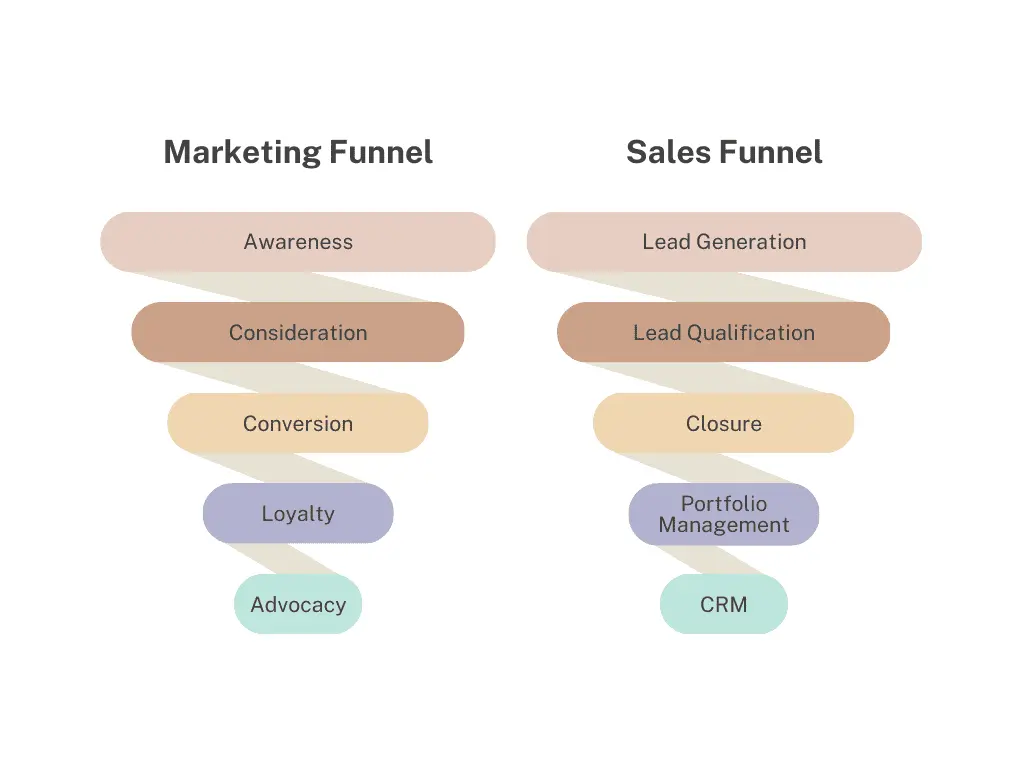
Use this table as a quick reference whenever someone blurs the marketing funnel vs sales funnel boundary in meetings.
Marketing vs Sales Funnel Stages Explained
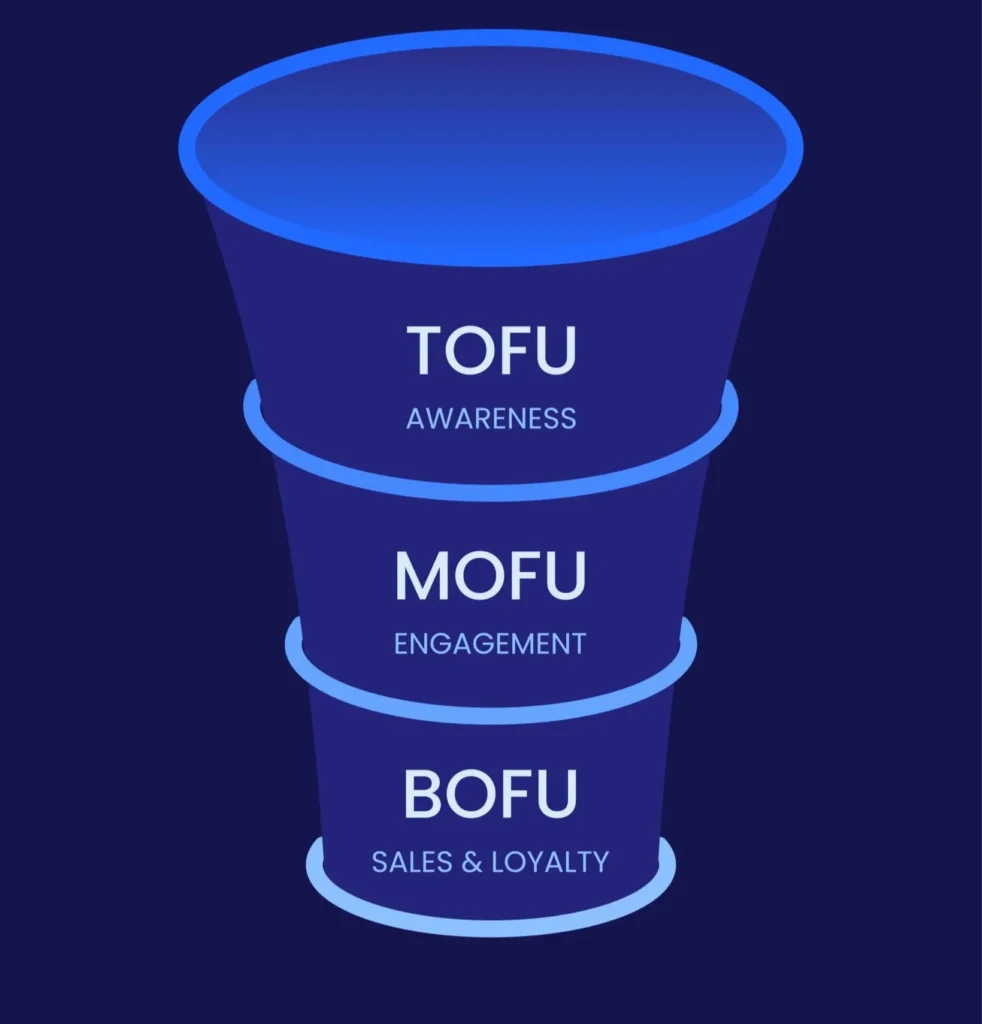
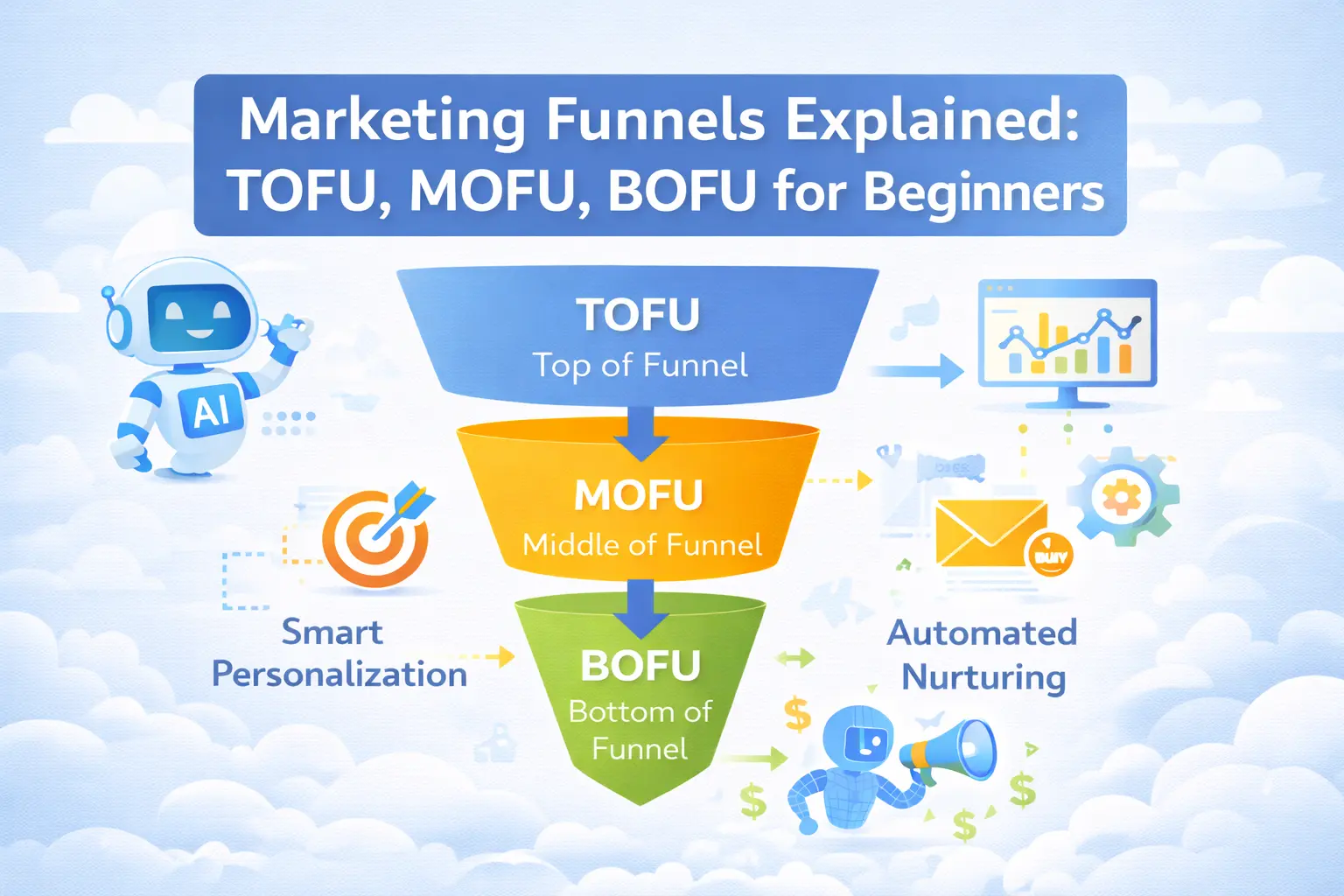
Top of Funnel (TOFU) – Marketing Ownership
TOFU is awareness and attention. Marketing owns it because it’s about reach and education.
Typical content and traffic sources:
- SEO blog posts.
- YouTube videos.
- Social posts.
- Paid awareness ads.
- Partnerships and PR.
Awareness KPIs:
- Organic sessions.
- Impressions.
- Engagement rate.
- Time on page (for educational content).
- New user percentage.
Scenario: A small local business runs ads targeting broad interest groups. They get clicks, but most visitors bounce because the landing page doesn’t match the ad message. TOFU is working (traffic), but messaging alignment isn’t.
Middle of Funnel (MOFU) – Alignment Zone
MOFU is where leads get nurtured and qualified. This is the most common place businesses fall apart because the handoff rules aren’t clear.
Lead nurturing includes:
- Email sequences.
- Retargeting campaigns.
- Long-form educational content.
- Webinars.
- Case study pages.
Qualification overlap: Marketing defines MQL. Sales defines SQL. If these definitions aren’t shared, you get “bad lead” arguments forever.
Scenario: A SaaS business defines an MQL as anyone who downloads a checklist. Sales later discovers most are early-stage researchers. Solution: tighten the offer to increase intent (e.g., by adding a pricing calculator or a demo-readiness assessment).
Bottom of Funnel (BOFU) – Sales Takes Control
BOFU is where decision-making happens. Sales takes the lead, using the trust marketing has built.
Sales conversations include:
- Discovery calls.
- Demos and walkthroughs.
- Objection handling.
- Timeline and procurement planning.
Closing strategies include:
- Clear next steps.
- Risk reduction (trial, pilot, guarantees where appropriate).
- Proof (use cases, testimonials, case studies).
Scenario: A service business receives many inquiries but closes few deals because proposals are unclear. BOFU issue: value packaging and proposal structure, not marketing volume.
Marketing Funnel Explained with Real Examples
Content Marketing Funnel Example
A typical scenario for a small local or service business:
- Awareness: A financial advisor publishes “5 Retirement Myths for Business Owners.” It ranks on Google.
- Interest: The blog includes a CTA to download a “Pre-Retirement Financial Audit Checklist.”
- Consideration: The advisor sends an email series explaining common retirement planning mistakes and shares a short case-style story (without naming specific brands).
- Lead conversion: The final email offers a free “Retirement Readiness Score” assessment that requires a phone number to schedule a review call.
Notice how the marketing funnel intentionally moves from low-risk engagement to higher intent.
Paid Ads Funnel Example
A typical e-commerce flow:
- Awareness: An Instagram video ad promotes a “5-step morning glow routine.”
- Interest: Viewers who watched most of the video are retargeted with product benefit ads.
- Consideration: Clicking brings them to a landing page with ingredient breakdown, testimonials, and FAQs.
- Lead conversion: A discount is offered in exchange for email sign-up, entering them into a welcome sequence.
In both cases, marketing does the heavy lifting before sales or checkout asks for commitment. That’s the point of sales funnel vs marketing funnel separation.
Sales Funnel Explained with Real Examples
Service-Based Business Funnel
Imagine a web design agency:
- Lead qualification: A lead completes a form. The owner schedules a 20-minute fit call to understand budget, timeline, and goals.
- Proposal & negotiation: The agency sends a proposal with phases, deliverables, and pricing options. A second call handles questions.
- Closing: Contract is signed, deposit is paid, and onboarding begins.
Common bottleneck: Agencies skip qualification, send proposals to everyone, and waste time on low-fit leads.
B2B Sales Funnel Example
Imagine an HR software provider:
- Lead qualification: A demo request triggers a discovery call to assess current workflow, pain points, and stakeholders.
- Proposal & negotiation: A customized demo is delivered to a committee. Pricing and terms are discussed, possibly with a pilot offer.
- Closing: Legal reviews the contract, security concerns are addressed, and the deal is signed.
B2B funnels make marketing funnel vs sales funnel separation even more important because longer cycles require clear process ownership.
Strategy Comparison – Sales Funnel vs Marketing Funnel
Strategy at the Top of Funnel
Marketing strategy at TOFU should prioritize:
- Problem-aware content (not product-pushing).
- Clear messaging that matches user intent.
- Broad education paired with simple CTAs.
Sales involvement is minimal here, except for light social selling (sharing content, commenting, building authority).
Example: If your blog attracts “how-to” traffic but your CTA is “Book a call,” your conversion rate will be low. A better TOFU strategy is to offer a checklist or short guide first.
Strategy at the Middle of Funnel
MOFU strategy is about trust and progression:
- Segment leads based on behavior.
- Use lead scoring (even simple scoring).
- Offer deeper proof: examples, comparisons, practical demos.
Sales begins outreach to high-intent behavior signals (pricing page visits, demo requests, repeated visits).
Example: A SaaS company can score leads higher if they visit “integrations” or “pricing,” and route those to sales faster.
Strategy at the Bottom of Funnel
BOFU is about decision confidence:
- Sales drives next steps and handles objections.
- Marketing supports with proof assets and clarity tools.
This is where sales enablement vs marketing becomes practical. Marketing can provide:
- One-page summaries.
- Case studies by industry.
- Objection-handling documents.
- Ethical competitor comparisons.
Example: If sales keep hearing “we’re worried about implementation,” marketing creates an onboarding guide and implementation timeline PDF to reduce fear.
Using Funnels to Measure Sales vs Marketing Performance
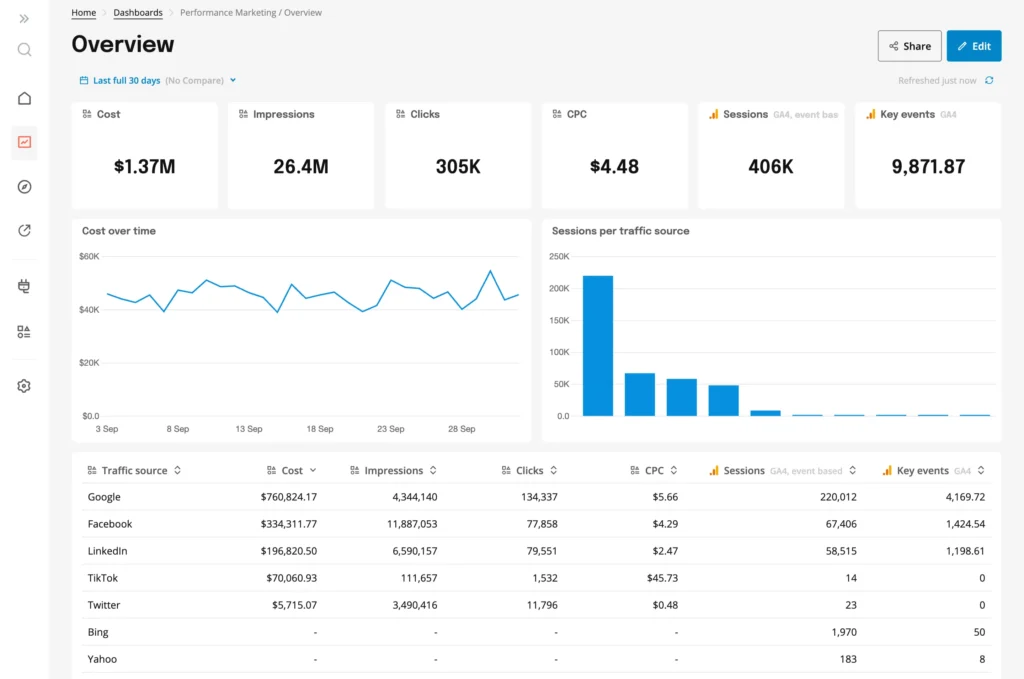
If you don’t measure the right metrics at the right stage, you’ll optimize the wrong thing. This is why using funnels to measure sales vs marketing performance is so powerful: they show where the breakdown is occurring.
Marketing Funnel KPIs
Marketing KPIs should reflect both volume and quality:
- Traffic (by source): Where are the exemplary visitors coming from?
- CTR: Are ads, titles, and emails compelling?
- Lead conversion rate: What percentage of visitors become leads?
You can go deeper by tracking:
- Landing page conversion rate by offer.
- Cost per lead (if paid channels are used).
- MQL rate (leads that meet basic criteria).
Example: If traffic is rising but lead conversion rate is falling, the issue could be irrelevant traffic, weaker messaging, or a mismatch between content and CTA.
Sales Funnel KPIs
Sales KPIs should reflect conversion efficiency and value:
- Win rate: What percentage of opportunities become customers?
- Sales cycle length: How long it takes to close
- Revenue per lead: The financial value of marketing’s output.
You can also track:
- Speed to lead (how fast sales contacts a lead).
- Opportunity-to-proposal rate.
- Proposal-to-close rate.
Example: If the win rate is low but lead volume is high, sales might be receiving too many low-fit leads or skipping discovery and presenting too early. Funnel measurement shows which.
Sales Funnel vs Marketing Funnel in SaaS Growth
SaaS is where the funnel distinction becomes crystal clear because acquisition and conversion vary by pricing and complexity.
Role of Content Marketing in SaaS Funnels
For many SaaS products, content is a significant growth lever, especially in education-driven categories.
Common pattern:
- SEO brings problem-aware traffic.
- Lead magnet captures emails.
- Nurture sequence builds trust.
- Free trial or demo becomes a conversion step.
This is why discussions about content marketing vs sales for saas growth can be misleading. It’s not content or sales. It’s content that creates demand and drives sales, converting higher-value opportunities.
Scenario: A project management tool attracts users via templates and guides. Many sign up for a free trial and convert without speaking to sales. Here, marketing carries more of the journey.
When Sales Funnel Becomes Critical in SaaS
For high-ticket SaaS or complex enterprise solutions, sales becomes essential:
- Multiple stakeholders.
- Integration and compliance concerns.
- Procurement timelines.
- Customized pricing.
Scenario: A cybersecurity platform gets leads from a whitepaper download. Sales runs discovery, schedules a demo for the technical team, manages security questionnaires, and navigates a lengthy approval process. Marketing starts the relationship; sales finishes it.
This is the sales funnel vs marketing funnel partnership in action.
Funnel Automation & Technology
Technology helps both funnels scale and stay measurable without relying on memory or manual follow-ups.
Sales Automation vs Marketing Automation
Marketing automation is one-to-many:
- Email nurture sequences.
- Lead scoring.
- Segmentation based on behavior.
- Retargeting audiences.
Sales automation is one-to-one support:
- CRM pipeline management.
- Task reminders and follow-ups.
- Email sequencing for outreach.
- Meeting scheduling and logging.
This is the practical difference between sales automation vs marketing automation: one scales communication to groups; the other scales execution for individual deals.
Example: A lead downloads a guide (marketing automation sends follow-up emails). If they request pricing (sales automation assigns a rep, creates tasks, and tracks the deal stage).
Sales Enablement vs Marketing
Sales enablement vs marketing isn’t a turf war. It’s a workflow.
Marketing creates assets that help sales close:
- Content and scripts for discovery calls.
- One-pagers explaining value in plain language.
- Case studies organized by industry or use case.
- Objection-handling sheets based on real sales conversations.
Sales contribute back:
- Which objections are most common?
- Which assets help move deals forward?
- Which lead types convert best?
Example: If sales repeatedly hears “we need approval,” marketing can build an internal “business case template” that prospects can use to justify the purchase to stakeholders.
AI & Predictive Funnel Optimization
AI is increasingly used for:
- Personalization: showing different website content based on behavior.
- Forecasting: predicting which leads are most likely to convert.
- Risk detection: identifying deals likely to stall.
The key benefit is accelerated learning and improved prioritization between the marketing funnel vs sales funnel handoff.
How Marketing and Sales Funnels Work Together
Funnel Alignment for Predictable Growth
Alignment happens when both teams agree on definitions, handoffs, and shared outcomes.
A simple alignment framework:
- Shared definitions: What counts as an MQL? What counts as an SQL?
- Handoff rules: When does marketing hand a lead to sales?
- Response time SLA: How fast sales follow up.
- Shared dashboards: Everyone sees the exact funnel numbers.
Example: If marketing counts any download as an MQL, sales will complain. If marketing tightens criteria (job role, company size, high-intent action), sales get fewer leads but close more.
That’s precisely how using funnels to measure sales vs marketing performance improves decisions rather than fueling arguments.
Creating a Unified Revenue Funnel
A unified revenue funnel doesn’t eliminate separate responsibilities; it connects them.
Practical steps:
- Map the journey from first touch to closed deal.
- Assign ownership per stage (marketing owns TOFU, shared MOFU, sales owns BOFU).
- Track drop-offs and iterate monthly.
- Create feedback loops: sales insights improve marketing targeting; marketing insights improve sales prioritization.
When this works, sales funnel vs marketing funnel becomes one system: demand into revenue.
Sales Funnel vs Marketing Funnel for Small Businesses
Which Funnel Comes First?
For most small businesses, start with marketing. Without leads, sales have nothing to convert.
You don’t need complexity to begin. A basic marketing funnel can be:
- One helpful service page.
- One lead magnet or inquiry form.
- One email follow-up sequence (even manual at first).
Scenario: A local agency tries to “sell harder” but has inconsistent leads. The problem isn’t sales effort—it’s a missing marketing funnel that consistently attracts and captures interest.
Budget-Friendly Funnel Strategy
A budget-friendly approach focuses on high-leverage basics:
- Build one strong landing page with a clear offer.
- Create one lead magnet that matches your ideal buyer intent.
- Set up a simple email sequence (3–5 emails).
- Track one core metric per stage.
Example: A service business uses a “pricing estimator” lead magnet (higher intent than a generic ebook) and improves lead quality without increasing ad spend because the funnel attracts buyers, not browsers.
Funnel Strategy by Business Model
E-commerce Funnels
E-commerce funnels are faster and more automated:
- Marketing drives traffic and product discovery.
- “Sales” happen through the checkout experience.
Key focus areas:
- Product page clarity (benefits, proof, FAQs).
- Cart abandonment sequences.
- Retargeting based on view add-to-cart behavior.
Scenario: An e-commerce brand has traffic but low purchase volume. Funnel check shows product pages lack reviews and clear shipping info, causing BOFU drop-offs.
Service Business Funnels
Service funnels are typically consultation-based:
- Marketing generates inquiries.
- Sales qualifies, proposes, and closes.
Key focus areas:
- Strong qualification forms.
- Fast follow-up.
- Clear proposal structure.
Scenario: A service business is busy but not profitable. Funnel check shows they accept low-budget leads because the qualification is weak. Tightening qualification improves revenue per lead.
These differences matter because a marketing vs sales funnel strategy that works in e-commerce may not work for services, and vice versa.
Common Funnel Mistakes Businesses Make
- Treating funnels as separate silos: Marketing and sales operate independently, so handoffs fail.
- No KPI tracking: Teams rely on opinions instead of measurement.
- Poor handoff between teams: Leads fall through cracks or reach sales too early.
- Ignoring post-sale funnel stages: Retention and referrals are neglected, reducing lifetime value.
A practical example: a business spends on ads, collects leads, but doesn’t respond for two days. Sales blames lead quality. The real issue is speed-to-lead, not marketing. This is why using funnels to measure sales vs marketing performance is essential; it makes the real bottleneck visible.
Future of Funnels – What’s Changing?
Personalization & AI
Funnels are becoming less linear and more adaptive. Prospects see different messages based on behavior:
- A return visitor sees deeper proof content.
- A pricing-page visitor sees ROI messaging.
- A trial user sees onboarding guidance.
This improves conversion because people don’t want “more content.” They want the right content at the right moment.
Data-Driven Funnel Decisions
The winning companies won’t be the ones with the most content or the most sales reps. They’ll be the ones who learn fastest:
- Which traffic sources produce qualified leads.
- Which nurture sequences produce SQLs.
- Which objections stall deals.
- Which assets shorten sales cycles.
This creates a measurable advantage across the marketing funnel vs sales funnel system.
Final Verdict – Sales Funnel vs Marketing Funnel
The sales funnel vs marketing funnel debate isn’t about choosing one. It’s about understanding distinct roles and intentionally connecting them:
- Marketing funnel = demand creation (awareness, lead generation, trust).
- Sales funnel = revenue conversion (qualification, proposals, closing).
- Real growth = alignment, not debate.
If you want practical next steps:
- Write down your funnel stages (marketing and sales) on one page.
- Add one KPI per stage (traffic → lead conversion → qualification → win rate).
- Identify the biggest drop-off point.
- Fix that one point before “doing more marketing” or “hiring more sales.”
That’s how you turn funnels into a predictable growth engine.
Conclusion
Treating sales funnel vs marketing funnel as the same thing is one of the fastest ways to waste budget while blaming the wrong team. Marketing and sales are two connected engines with different responsibilities: marketing turns attention into trust and leads; sales turns qualified interest into revenue.
The most reliable way to improve performance is to make the funnel visible, measurable, and shared. Use funnel stages to clarify ownership, KPIs to remove guesswork, and alignment to stop leaks at the handoff.
A helpful next step is to audit your current funnel this week: map your stages, review conversion rates at each step, and align your definitions of MQL and SQL. If you want to go deeper, build a simple dashboard that supports using funnels to measure sales vs marketing performance, and revisit it monthly. Minor improvements at the right stage can unlock surprisingly significant revenue gains over time.
FAQs – sales funnel vs marketing funnel
1) What is the main difference between a sales funnel vs marketing funnel?
The biggest difference between the sales funnel vs marketing funnel is the goal: the marketing funnel creates demand and turns strangers into leads, while the sales funnel converts qualified leads into customers through calls, proposals, and closing.
2) Is the marketing funnel vs sales funnel just a matter of different stages?
Not exactly. The marketing funnel vs sales funnel differ in stages and ownership. Marketing is responsible for awareness and lead conversion, while sales handles lead qualification and closing. Both must align in the MOFU stage, where handoffs happen.
3) How can businesses start using funnels to measure sales vs marketing performance?
Start by tracking one KPI per stage. When using funnels to measure sales vs marketing performance, measure marketing through traffic, CTR, and lead conversion rate. For sales, measure win rate, sales cycle length, and revenue per lead. Next, identify the stage with the most substantial drop-off.
4) In SaaS, which works better: content marketing vs sales for saas growth?
For content marketing vs sales for saas growth, the best approach depends on your model. Self-serve SaaS often grows faster with content-driven acquisition and trials, while high-ticket B2B SaaS requires a strong sales funnel to handle demos, stakeholders, and procurement.
5) What’s the difference between sales automation vs marketing automation, and where does sales enablement vs marketing fit?
Sales automation vs marketing automation differs by scale: marketing automation nurtures many leads (emails, segmentation, lead scoring), while sales automation supports one-to-one follow-up (CRM pipelines, tasks, outreach sequences). Sales enablement vs marketing is the bridge that marketing creates sales-ready assets (case studies, scripts, one-pagers) that help sales close deals faster.